

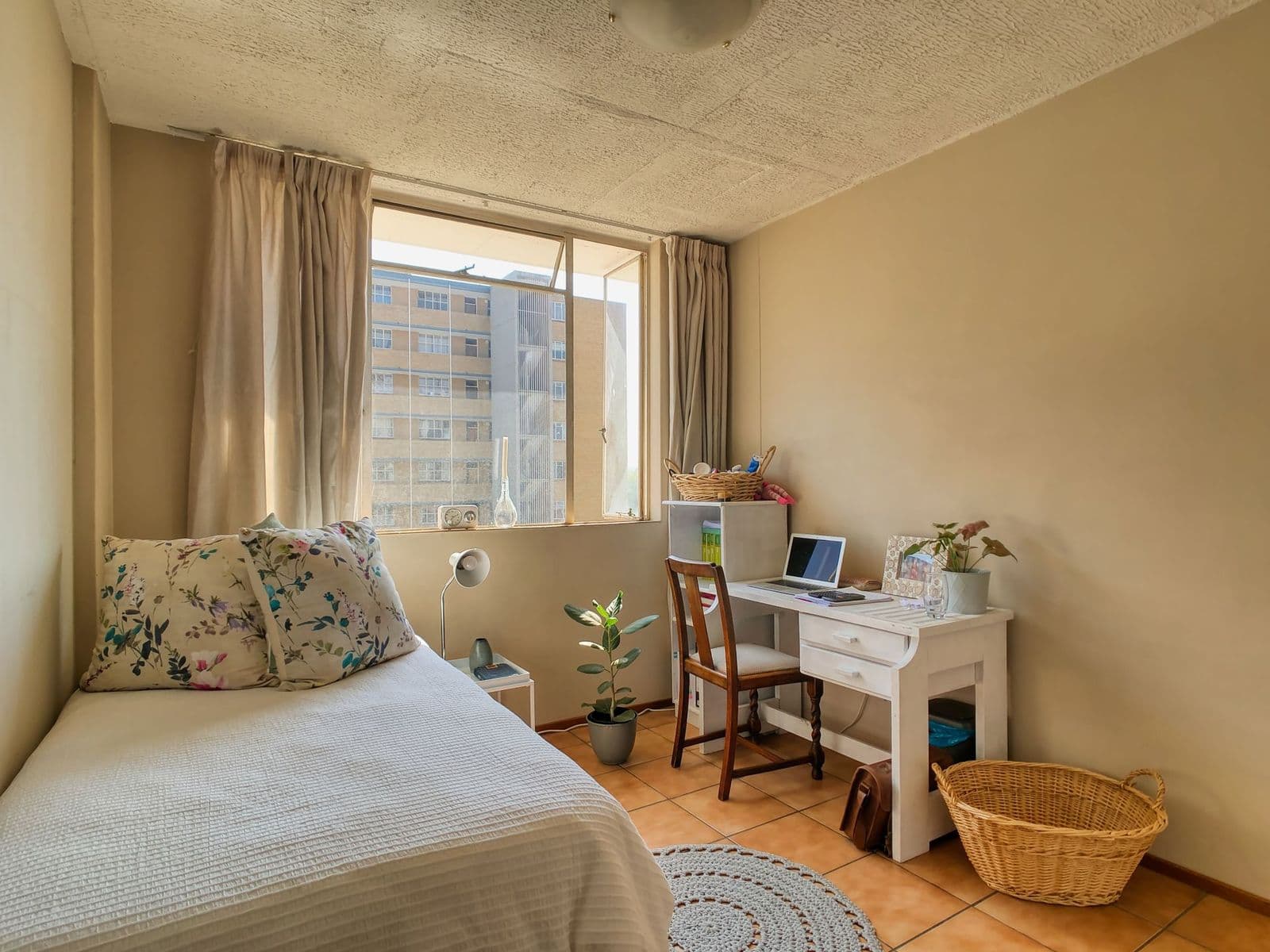
Finding somewhere to live is one of the most stressful parts of preparing to study abroad, particularly when you are choosing accommodation in a city you have never visited. Getting it right affects your budget, your daily commute, your safety and how quickly you settle into student life. This accommodation guide compares the three main options available to international students — university halls of residence, homestay, and private rental — so you can choose confidently before you arrive.
Option 1: University Halls of Residence
Halls of residence (sometimes called dormitories or on-campus housing) are managed directly by your university or a partner accommodation provider, usually located on or near campus.
Advantages:
- Simplest and fastest option to arrange, often bookable directly alongside your university application
- Built-in community of other students, many of them also new to the city or country
- Bills (utilities, internet, sometimes meals) are usually included in one fixed price
- Shorter commute to lectures, libraries and campus facilities
Disadvantages:
- Often more expensive per week than an equivalent shared private rental once you compare like-for-like room sizes
- Limited flexibility on room type, roommates or contract length
- Contracts typically run for a fixed academic year, which can be inflexible if your plans change
- High demand means popular halls can fill up quickly, especially close to major intakes
Typical cost: varies enormously by city and room type, but expect a wide range from budget shared rooms to premium en-suite studios — always check what is included (bills, meals, laundry) before comparing prices across providers.
Option 2: Homestay
Homestay places you with a local family in their home, usually including meals and a private or shared bedroom. It is particularly common for students under 18, students on shorter English language courses, or those who want full cultural immersion.
Advantages:
- Strong cultural and language immersion, since you are surrounded by native speakers daily
- Built-in support system, especially valuable for younger students or first-time travellers
- Meals are typically included, simplifying budgeting and reducing cooking responsibilities
- Often more affordable than private rental in expensive cities
Disadvantages:
- Less independence than other options, with household rules to follow (guests, curfews, kitchen access)
- Quality and compatibility vary significantly by host family — a good agency vetting process matters
- Usually located further from the city centre or campus than halls or centrally located private rentals
- Less common or harder to arrange for postgraduate and mature students
Typical cost: generally mid-range, often cheaper than private rental in city centres, particularly when meals are factored in.
Option 3: Private Rental
Private rental means renting a room or flat directly from a landlord or letting agency, either alone or with flatmates, entirely independent of university-managed housing.
Advantages:
- Greatest flexibility in location, room type, budget and living arrangement
- Often works out cheaper than halls if you share with flatmates and split bills carefully
- More independence and typically longer or more negotiable contract lengths
- Access to a much wider range of options across the city, not just university-affiliated properties
Disadvantages:
- Requires more research, often including viewing properties remotely or through a local contact
- Usually requires a deposit (commonly four to six weeks' rent) plus proof of income or a guarantor, which can be difficult to arrange from abroad
- Bills (electricity, water, internet, council tax or local equivalent) are often separate from rent, making budgeting less predictable
- Higher risk of rental scams targeting international students searching remotely — always verify a landlord or agency before transferring any money
Typical cost: varies the most of the three options, depending heavily on city, room type and number of flatmates sharing bills.
Comparing the Three Options at a Glance
| Factor | Halls of Residence | Homestay | Private Rental |
|---|---|---|---|
| Ease of arranging | Easiest | Moderate | Most effort required |
| Typical contract length | One academic year | Flexible, often term-based | 6–12 months, negotiable |
| Bills included | Usually | Usually (including meals) | Rarely |
| Independence | Moderate | Lowest | Highest |
| Best suited to | First-year and undergraduate students | Younger students, language course students | Returning students, postgraduates, those wanting flexibility |
When to Start Looking for Accommodation
- University halls: apply as soon as you accept your offer — popular halls, especially those close to campus, can fill up within weeks of applications opening.
- Homestay: arrange through your university's international office or a vetted agency at least eight to twelve weeks before arrival, particularly for younger or first-time students.
- Private rental: start researching neighbourhoods and typical prices three to four months ahead, but avoid signing a contract for a property you have not viewed (in person or via a trusted video viewing) until you are more confident in the local market.
Staying Safe When Searching for Accommodation
- Never transfer a deposit or full rent before signing a legitimate contract and verifying the landlord or agency is genuine — ask your university's international student office to confirm recommended or verified providers.
- Use your university's official accommodation portal or listed partner agencies where possible, rather than unsolicited listings from social media groups.
- If arranging private rental remotely, request a live video viewing rather than relying solely on photographs.
- Keep copies of all contracts, payment confirmations and communication with landlords or agencies in case of a dispute.
Our pre-departure checklist covers the documents and confirmations you should have in hand before you travel, including proof of your confirmed accommodation.
Frequently Asked Questions
Is it cheaper to live in university halls or rent privately? It depends on the city and how many flatmates you share with. Halls are often more convenient and include bills in one price, while private rental can be cheaper per person if shared carefully, though bills are usually separate and require more active budgeting.
Can I book accommodation before my visa is approved? In most cases, yes, though many providers allow you to hold a booking with a deposit and confirm final payment once your visa is approved. Check the specific cancellation policy before paying a non-refundable deposit.
Do international students need a guarantor for private rental? Often yes, since landlords typically require proof of UK-based (or local) income or a guarantor for tenants without a local credit or rental history. Some agencies offer guarantor services for a fee if you do not have a local contact who can act as one.
Is homestay only for younger students? No, though it is most common among younger students and those on shorter English language courses. Some postgraduate and mature students also choose homestay for cultural immersion or short-term stays, though availability may be more limited for this group.
How much should I budget for accommodation as a percentage of my total budget? Accommodation typically represents 40–55% of a student's total living budget, depending on the city and accommodation type, making it the single largest recurring expense after tuition.
Get Help Finding Safe, Suitable Accommodation
Choosing the right accommodation shapes your entire study abroad experience, from your daily commute to your sense of community in a new country. Lington Global Education's advisory team works with verified accommodation partners across our destination universities and can talk you through which option — halls, homestay or private rental — fits your budget, age and independence needs. Book a free consultation to get accommodation guidance tailored to your destination city.