

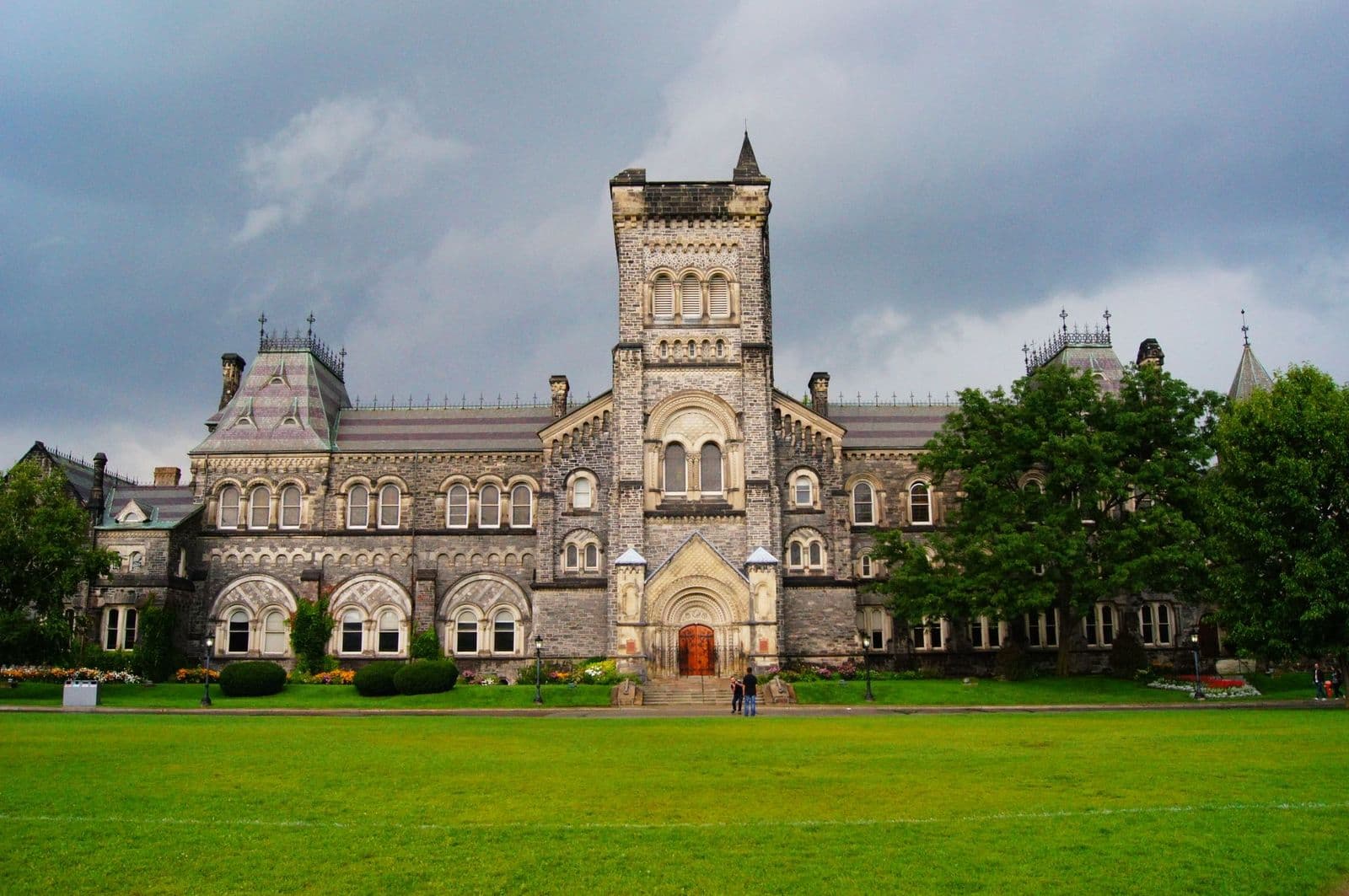
Canada has become one of the most consistently popular destinations for international students, combining internationally recognised universities, comparatively affordable tuition, generous post-study work rights and a genuine pathway toward permanent residency for graduates who want to stay. This guide covers everything you need to plan a realistic application, from the study permit process to choosing between Canada's very different provinces.
Why Students Choose Canada
- Strong post-study work rights through the Post-Graduation Work Permit (PGWP), giving graduates up to three years of open work authorisation depending on their programme length.
- A genuine pathway to permanent residency, with Canadian work experience and education weighted favourably in federal and provincial immigration programmes such as Express Entry.
- Comparatively affordable tuition relative to the US and, for many programmes, the UK and Australia, particularly outside major cities like Toronto and Vancouver.
- A multicultural, welcoming environment with large, established international student communities across most major universities.
- High academic standards with globally recognised universities across a wide range of specialisations, from engineering and computer science to health sciences and business.
The Canada Study Permit: Step by Step
Step 1: Receive a Letter of Acceptance
You must hold a Letter of Acceptance from a Designated Learning Institution (DLI) — an institution approved by Canadian immigration authorities to host international students — before you can apply for a study permit. Confirm your chosen university or college holds valid DLI status before applying.
Step 2: Prove Financial Support
You must demonstrate sufficient funds to cover tuition, living expenses for yourself (and any accompanying family members) for the first year of study, and return transportation. Requirements vary depending on whether you apply through the regular stream or the Student Direct Stream (SDS) in eligible countries, which has its own defined financial thresholds, commonly requiring a Guaranteed Investment Certificate (GIC) from a participating Canadian financial institution.
Step 3: Complete a Medical Exam (if Required)
Depending on your country of residence and intended length of study, you may need to complete an upfront medical exam with a panel physician approved by Canadian immigration authorities before or shortly after submitting your application.
Step 4: Submit Your Application and Biometrics
Applications are submitted online, along with your Letter of Acceptance, proof of funds, passport details and a statement of purpose explaining your study plan. Most applicants must also provide biometric information (fingerprints and a photo) at a local visa application centre.
Step 5: Await a Decision
Processing times vary significantly by country and application stream — the Student Direct Stream is generally faster for eligible applicants who meet its specific financial and language requirements, while standard applications can take several weeks to a few months depending on the visa office managing your application.
Comparing Canada's Top Study Destinations
Canada's provinces differ significantly in cost, climate and lifestyle, and your choice matters as much as your choice of university.
| Province | Known for | Relative living costs | Climate |
|---|---|---|---|
| Ontario (Toronto, Ottawa) | Business, technology, largest range of institutions | Higher, especially Toronto | Cold winters, warm summers |
| British Columbia (Vancouver, Victoria) | Environmental sciences, tech, mild climate | High, especially Vancouver | Mild, wet winters |
| Quebec (Montreal, Quebec City) | Bilingual environment, arts, engineering | Moderate | Cold winters |
| Alberta (Calgary, Edmonton) | Engineering, energy sector | Moderate | Cold winters, low humidity |
| Atlantic Canada (Halifax, Fredericton) | Smaller class sizes, marine sciences | Lower | Cold winters, coastal |
Ontario and British Columbia host the largest concentration of internationally ranked universities, but Atlantic Canada and Prairie provinces often offer meaningfully lower tuition and living costs with smaller class sizes, which suits students prioritising affordability and closer faculty relationships over big-city life.
Tuition and Living Costs
Undergraduate tuition for international students in Canada typically ranges from CA$15,000 to CA$35,000 per year depending on the institution and programme, with professional programmes like engineering, business and health sciences often at the higher end. Living costs vary by city — expect CA$15,000–CA$20,000 annually in major cities like Toronto and Vancouver, and somewhat less in smaller cities and towns. Always budget separately for mandatory health insurance, which varies by province.
Working While You Study
International students with a valid study permit can generally work up to 24 hours per week off-campus during academic sessions and full-time during scheduled breaks, provided their study permit includes the required work authorisation condition and they are enrolled full-time in an eligible programme at a DLI. On-campus work is often available without the same hourly restriction. Confirm your specific permit conditions carefully, as work eligibility rules have changed periodically in recent years.
After Graduation: The Post-Graduation Work Permit
The Post-Graduation Work Permit (PGWP) is one of the most attractive features of studying in Canada, allowing eligible graduates to work for any Canadian employer for a period generally matching the length of their study programme, up to a maximum of three years. This work experience is often a critical stepping stone toward permanent residency through federal programmes like Express Entry or provincial nominee programmes, many of which award additional points for Canadian education and work experience.
Building Your Application Timeline
- 12+ months before intake: Research programmes and provinces, shortlist DLIs, check entry requirements including English or French language proficiency.
- 9–10 months before intake: Submit university applications, prepare required documents including transcripts and, if needed, a statement of purpose.
- 6–8 months before intake: Accept your offer, arrange proof of funds documentation, and submit your study permit application.
- 3–4 months before intake: Complete biometrics, respond to any additional document requests, finalise accommodation.
- 1–2 months before intake: Confirm your study permit approval, book flights, and complete your pre-departure checklist.
Frequently Asked Questions
Can I apply for permanent residency while studying in Canada? You cannot apply for permanent residency directly as a student, but Canadian education and post-graduation work experience significantly strengthen future permanent residency applications through programmes like Express Entry and various provincial nominee programmes.
Do I need to know French to study in Canada? No, unless you choose a French-medium institution, primarily concentrated in Quebec. Most Canadian universities outside Quebec teach in English, though basic French can be useful in bilingual regions and for certain federal immigration pathway bonus points.
What is the Student Direct Stream and am I eligible? The Student Direct Stream is a faster study permit processing option available to eligible applicants from specific countries who meet defined financial requirements, including a Guaranteed Investment Certificate from a participating Canadian bank. Check current eligibility criteria carefully, as they periodically change.
How much money do I need to show for a Canada study permit? Requirements vary by application stream and whether family members are accompanying you, generally covering tuition plus a set annual living cost figure. Confirm the current required amount directly through official Canadian immigration sources before applying.
Is Canada more affordable than the US or UK for international students? Generally yes, particularly when comparing total tuition across a full degree and factoring in strong post-study work rights, though costs still vary significantly by province, city and institution.
Plan Your Canadian Study Journey With Confidence
Studying in Canada offers a rare combination of academic quality, affordability and a genuine long-term migration pathway — but the study permit process rewards careful preparation and accurate documentation. Lington Global Education's advisory team helps students choose the right province and institution, prepares study permit applications correctly the first time, and supports you through arrival and settling in. Book a free consultation to start planning your move to Canada.