
Applying for a UK student visa can feel like the most stressful part of your entire study abroad journey — and it is understandable why. A single missing document or a proof-of-funds figure that does not match the required amount for the required number of days can delay your application or, worse, lead to a refusal. This UK student visa guide walks through the process step by step, in the order you will actually complete it, so you know exactly what to prepare and when.
Who Needs a UK Student Visa?
If you hold a place on a course in the UK that is longer than six months and you are not a UK or Irish national, you will almost certainly need to apply for the Student visa (previously called Tier 4). Short English language courses under six months may fall under the Short-term Study visa instead, which has different rules and does not permit part-time work. Always confirm which route applies to your specific course length and provider before you start gathering documents.
Step 1: Secure Your Confirmation of Acceptance for Studies (CAS)
You cannot apply for a Student visa without a CAS number, issued by your UK university or college once you have accepted an unconditional offer and paid any required deposit. The CAS is an electronic reference, not a physical document, and it contains:
- Your personal details and passport number
- Your course details, start and end dates
- The tuition fee amount and any amount already paid
- Confirmation of your academic qualifications and English language ability
Your CAS is valid for six months from the date it is issued, so do not request it too far in advance of your planned application date. Universities typically issue CAS numbers between three and six months before course start dates.
Step 2: Confirm You Meet the Financial Requirement
This is where most avoidable refusals happen. You must show you have held sufficient funds for a continuous 28-day period, ending no more than 31 days before you submit your application. The amount depends on where you will study:
- London-based courses: tuition fees (or remaining balance) plus £1,483 per month for living costs, up to a maximum of nine months.
- Outside London: tuition fees (or remaining balance) plus £1,136 per month for living costs, up to a maximum of nine months.
If your CAS confirms your university or a government sponsor is covering your fees or maintenance, or you have lived in the UK with valid immigration permission for at least 12 months, you may be exempt from showing separate maintenance funds — your CAS letter will state this clearly.
Step 3: Gather Your Supporting Documents
Prepare digital copies (and originals for verification if requested) of:
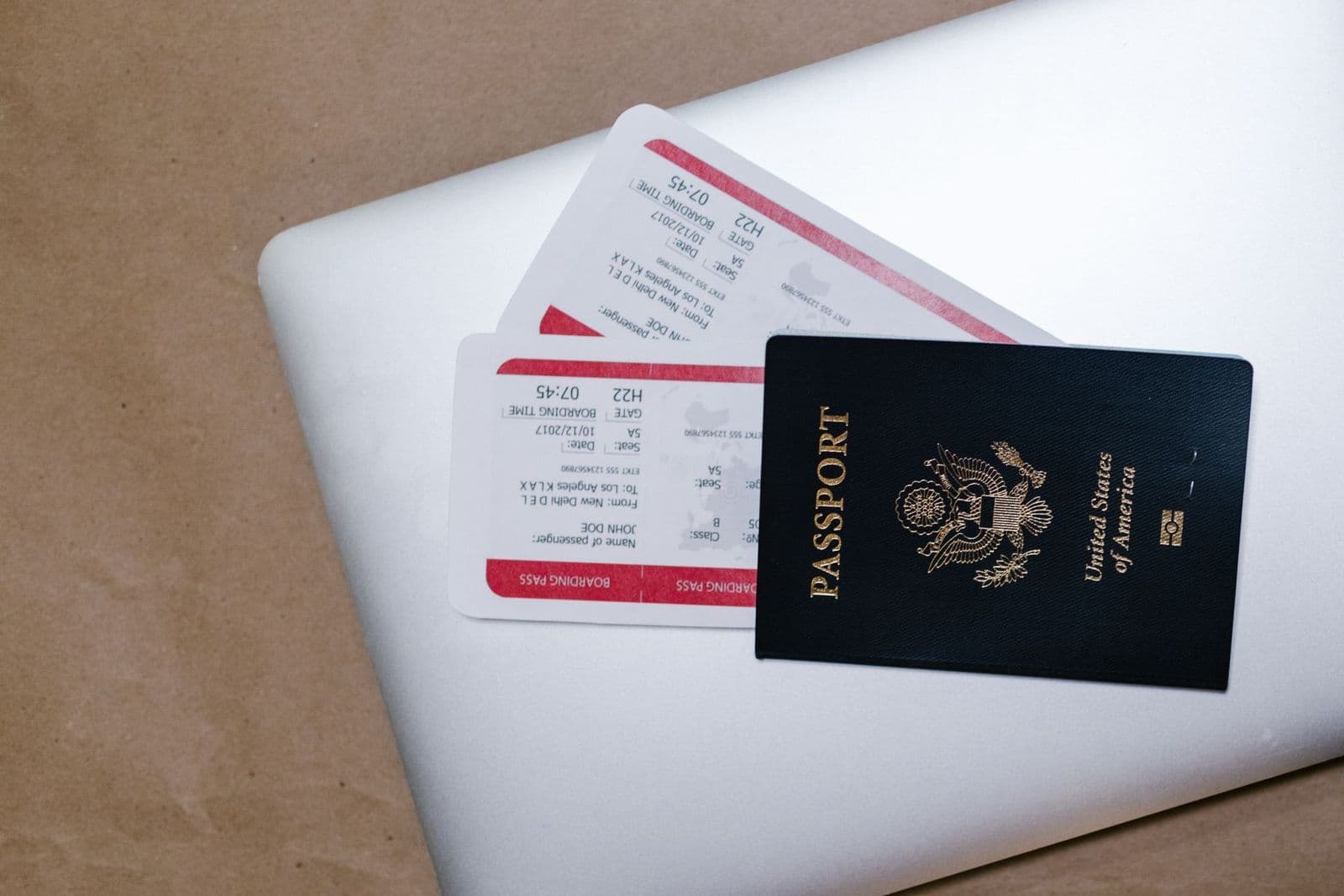
- A valid passport with at least one blank page
- Your CAS reference number
- Proof of financial funds covering the 28-day period described above
- Academic qualification certificates and transcripts referenced in your CAS
- English language test results (unless your CAS confirms you are exempt)
- A tuberculosis test certificate, if you are applying from a country on the UK's TB testing list
- ATAS certificate, if your course and nationality require Academic Technology Approval Scheme clearance (common for certain science and engineering postgraduate courses)
Step 4: Complete the Online Application and Pay Fees
Applications are submitted online through the UK government's official visa application system. You will pay two separate charges:
- The visa application fee — currently in the region of £490 for applications made from outside the UK (fees are reviewed periodically, so confirm the current rate before paying).
- The Immigration Health Surcharge (IHS) — an upfront payment that gives you access to the NHS for the duration of your stay, charged per year of your visa.
After paying, you will book an appointment at a visa application centre in your country to provide biometric information (fingerprints and a photograph), unless you are eligible to use the UK's mobile ID-scanning app.
Step 5: Attend Your Appointment and Wait for a Decision
Standard processing time outside the UK is around three weeks from your biometric appointment, though this varies by country and season — expect longer waits during peak intake periods in July and August. Priority and super priority services are available in many countries for an additional fee if you need a faster decision.
Common Reasons for Refusal (and How to Avoid Them)
| Refusal reason | How to avoid it |
|---|---|
| Insufficient funds held for the full 28-day period | Check your bank statement dates carefully; do not apply the day after the 28-day window closes |
| Discrepancy between CAS details and application form | Cross-check every field against your CAS before submitting |
| Missing or expired TB test certificate | Book your TB test as soon as your CAS is issued if your country requires it |
| Weak academic progression or unclear study intent | Be ready to explain your study plan clearly if called for a credibility interview |
| Bank statements not meeting formatting requirements | Use statements that show your name, account number, and the bank's official letterhead or stamp |
After Your Visa Is Approved
Once approved, you will typically receive a short-validity vignette sticker in your passport, and you will need to collect a Biometric Residence Permit (BRP) — or in most cases now, register for an eVisa — within the timeframe specified in your decision letter, usually after arrival in the UK. Keep your CAS reference, offer letter and visa decision letter accessible during travel, as immigration officers may ask to see them on arrival. Once you land, our pre-departure checklist covers registering with a GP, opening a bank account and settling into your accommodation.
Frequently Asked Questions
How far in advance should I apply for my UK student visa? You can apply up to six months before your course start date. We recommend applying as soon as your CAS is issued and your finances have met the 28-day requirement, to leave a buffer for processing delays.
Can I work while studying on a UK Student visa? Most Student visa holders at degree level can work up to 20 hours per week during term time and full-time during vacations, though this is confirmed on your visa conditions and varies by course level and provider.
What happens if my visa is refused? You will receive a decision letter explaining the reason. Depending on the reason, you may be able to reapply with corrected documentation, or in limited circumstances request an administrative review. Speak to an advisor promptly, as reapplying with the same unresolved issue often leads to a second refusal.
Do I need a UK bank account before applying for my visa? No. You only need to show the required funds in an account (your own, or in some cases a parent's or legal guardian's, with additional documentation) before applying — a UK account is opened after arrival.
Can my visa be extended if my course changes? If you switch to a longer or different course at the same or a new institution, you generally need a new CAS and a fresh visa application before your current permission expires, rather than an extension of the existing visa.
Get Visa-Ready With Expert Support
Every year, avoidable refusals delay students' plans simply because a bank statement was formatted incorrectly or a deadline was missed. Lington Global Education's advisory team reviews your documents against current Home Office requirements before you submit, checks your CAS details line by line, and keeps you updated on processing times specific to your country. For hands-on help with your UK student visa application, our full visa guidance service and a free consultation are the fastest way to apply with confidence.